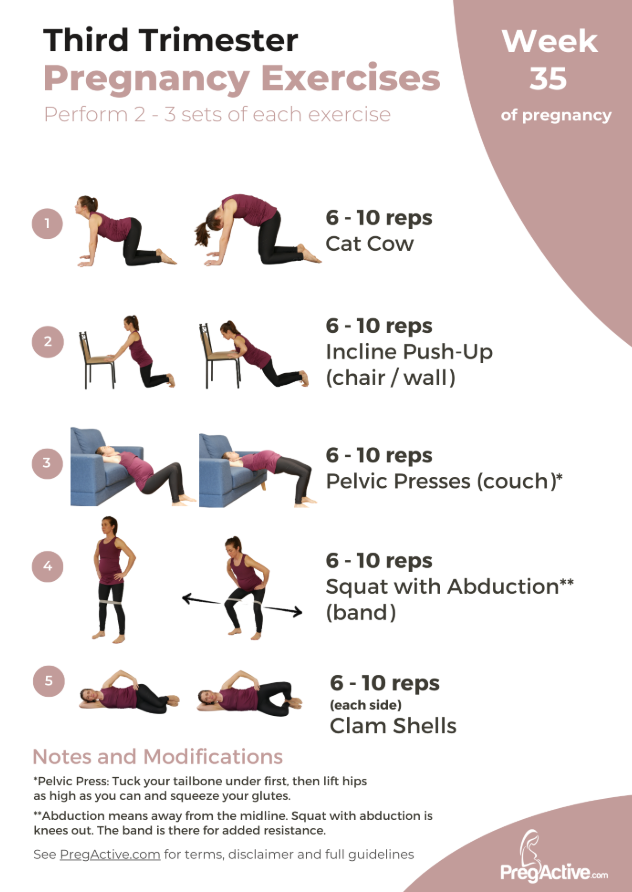
Pregnancy changes how the body moves feels and responds to effort. Many people hear conflicting advice telling them to either stay very active or completely avoid movement. The truth sits in the middle. Safe movement during pregnancy is not about pushing limits but about supporting the body as it adapts.
When done correctly movement can reduce discomfort improve circulation support posture and help maintain confidence. The key is understanding what actually helps instead of following generic fitness trends.
Understanding the Pregnant Body
During pregnancy joints become more flexible balance shifts and energy levels fluctuate. These changes are normal and necessary but they also mean the body needs different support.
Hormonal changes affect ligaments making them looser. This increases range of motion but also increases injury risk if movement is uncontrolled. Core muscles stretch and posture adjusts which can create back and hip discomfort.
Safe movement respects these changes instead of fighting them.
Why Movement Matters
Staying gently active supports both physical and mental wellbeing. Movement improves circulation which helps reduce swelling and stiffness. It also supports digestion breathing and sleep quality.
Mental benefits matter just as much. Gentle exercise can reduce stress improve mood and maintain a sense of routine during a time of major change.
Movement is not about appearance. It is about function comfort and resilience.
What Safe Movement Looks Like
Safe movement during pregnancy is controlled steady and intentional. It avoids sudden direction changes high impact force and extreme ranges of motion.
Walking swimming prenatal yoga and light strength exercises are commonly recommended because they support endurance and mobility without excess strain. These activities allow the body to move naturally while staying supported.
Breathing remains steady. If movement disrupts breathing it is likely too intense.
Listening to Body Signals
The body communicates clearly during pregnancy. Fatigue dizziness pain or discomfort are signals not challenges to overcome.
Rest is part of fitness during pregnancy. Some days movement feels easy and energizing. Other days rest is the healthiest choice.
Consistency matters more than intensity. Gentle regular movement supports adaptation better than occasional effort.
Common Misunderstandings About Prenatal Exercise
Many people believe exercise during pregnancy is dangerous. In reality complete inactivity often creates more discomfort and stiffness.
Another myth is that prenatal movement must be minimal. Safe does not mean weak. It means appropriate.
Every pregnancy is different. What feels good for one person may not suit another. That is why awareness matters more than rigid routines.
Creating a Supportive Routine
A supportive movement routine adapts over time. Early pregnancy may feel similar to pre pregnancy movement while later stages require modification.
Short sessions focused on mobility posture and breathing are often more beneficial than long workouts. This approach reduces fatigue and supports daily comfort.
Routine creates familiarity and confidence.
Closing Thoughts
Safe movement during pregnancy is about cooperation not control. When movement supports the body instead of challenging it pregnancy often feels more manageable.
Listening adapting and staying gentle allow movement to become a tool for comfort and strength rather than stress.
Leave a Reply